Following reports of the beginning of attacks by the United States of America and the Zionist regime against our beloved country, these events have been described with terms such as “war,” “war crime,” and “terrorist act.” This variety of descriptions raises the question of exactly which legal framework these actions fall into: Are we facing a war, examples of war crimes, or even terrorist actions? These titles are not merely verbal differences; each carries important implications in the domain
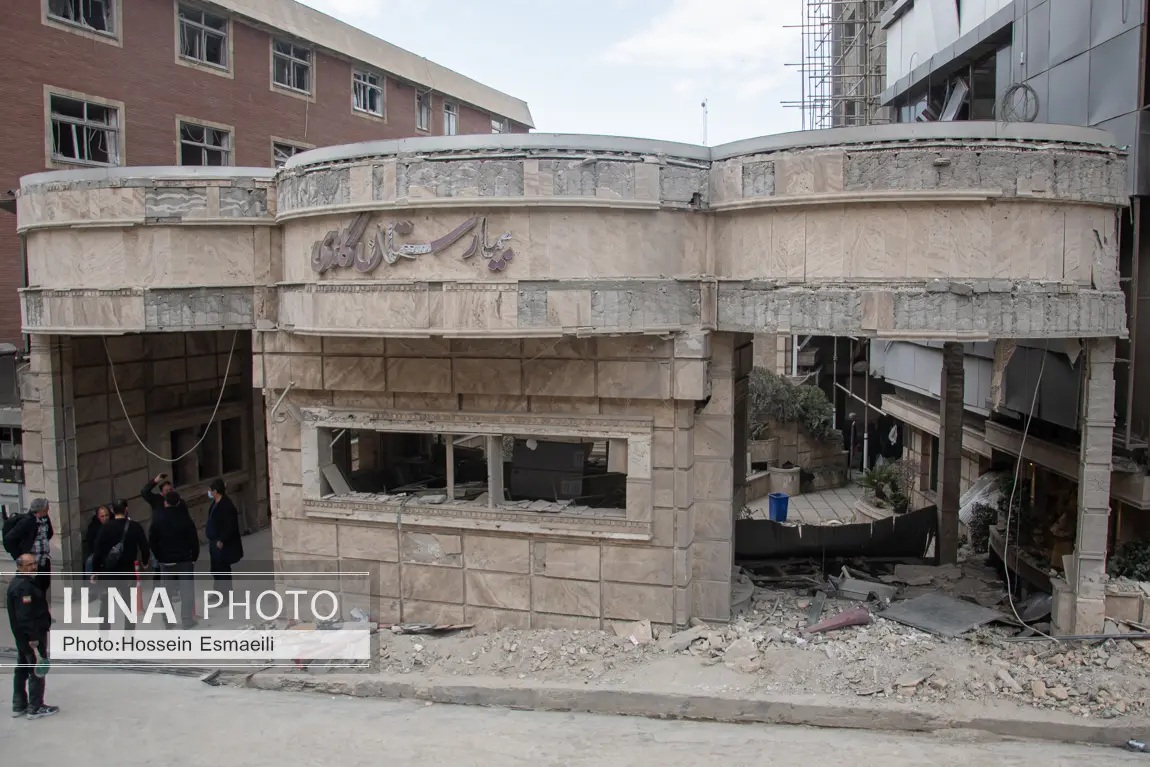
Statements by Fatemeh Mohammadbeigi, a member of the Majlis Health Commission, regarding attacks on 24 pharmaceutical and medical equipment companies in Iran, reveal a reality that goes beyond a conventional military action. She described these attacks as a clear example of a war crime and emphasized that the enemy’s method differs fundamentally from conventional military warfare. This fundamental difference leads us to the question: Are we merely facing a war crime, or a form of state
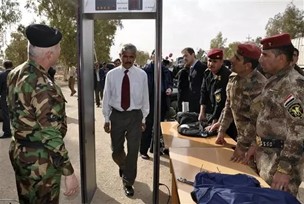
February 18, marks one of the bitterest and most defeat-laden days for the terrorist Mujahedin-e Khalq group. It was the day when the first group of MEK members — who for years had claimed with false boasts and harsh slogans that Ashraf Camp was their “invincible base” — boarded Iraqi vehicles and left the soil of this base for Camp Liberty.
This event was not merely a geographical relocation but the collapse of a great lie and a display of the depth of helplessness and strategic defeat of a
On the occasion of the International Day for the Prevention of Violent Extremism as and when conducive to Terrorism, observed on February 12, a review of Iran’s experience over the past decade offers valuable lessons with global relevance. The day serves as a reminder of a bitter truth: violent extremism, regardless of borders or beliefs, has targeted lives and peace of mind across the world.
Over the past ten years, the destructive activities of extremist terrorist groups—driven by differing
TEHRAN, Feb. 12 (MNA) – On the occasion of the International Day for the Prevention of Violent Extremism as and when Conducive to Terrorism, it is important to revisit the historical roots of extremist movements and their impact on global stability.
On the occasion of the International Day for the Prevention of Violent Extremism as and when Conducive to Terrorism, it is important to revisit the historical roots of extremist movements and their impact on global stability. One of the
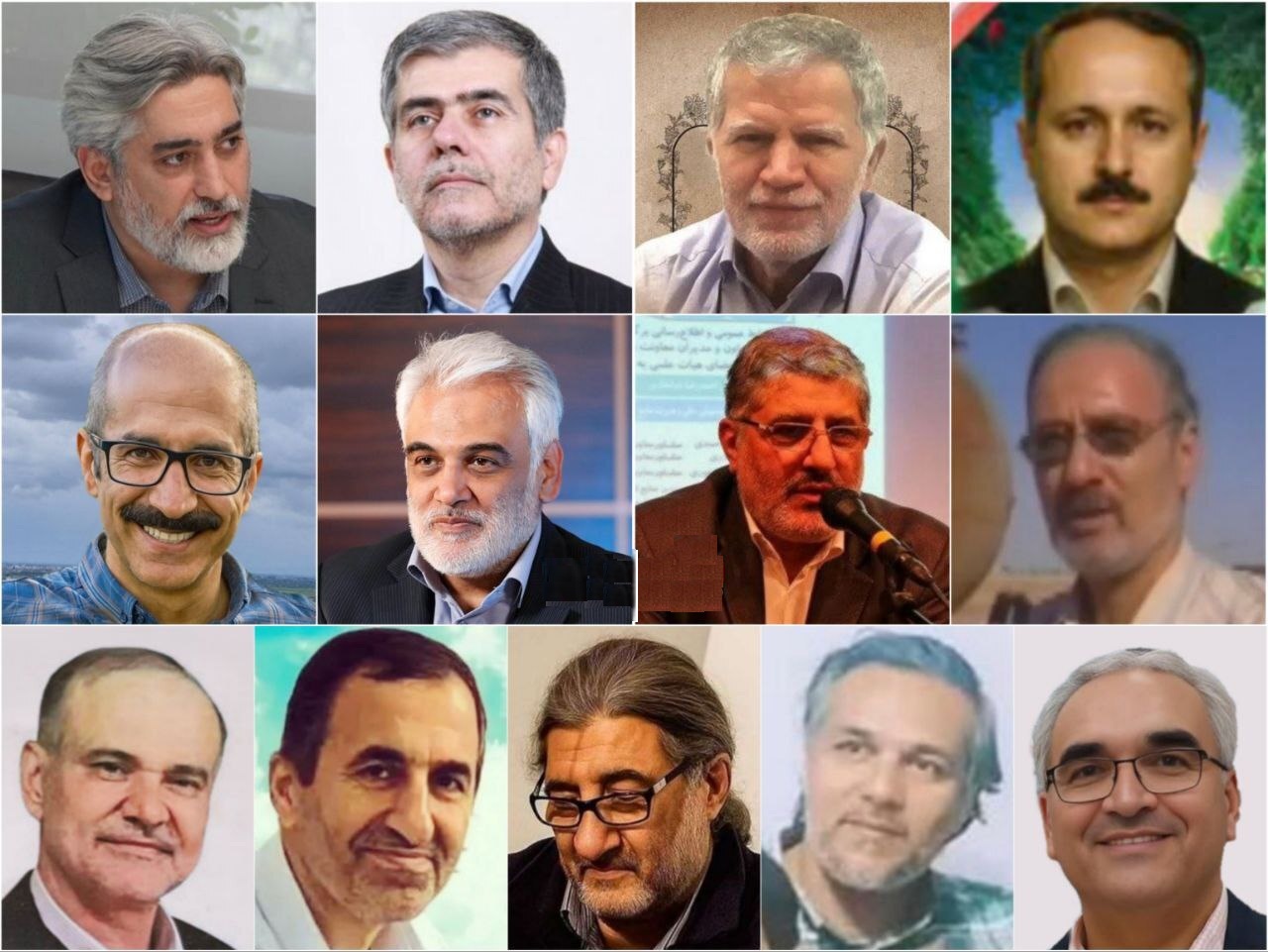
Modern warfare is often chronicled as a battle for territory and resources. Yet, Ronen Bergman’s book, Rise and Kill First, pulls back the curtain on a far more sinister conflict: the war on "knowledge" itself. As we approach the anniversary of the assassination of Iran's prominent scientists, a re-reading of this book not only illuminates the history of Mossad’s assassinations but also provides a pattern that explains recent events and the targeting of experts in emerging fields.
Bergman
Hours after a massive, million-strong rally across various cities in Iran condemning the chaos and terrorist acts of armed criminal groups, the European Parliament, which has consistently demonstrated its disdain for the Iranian people by inviting separatist and anti-Iranian terrorist groups, announced a worthless measure to ban the entry of Iranian diplomats and officials to the Parliament in a bid to support dying unrest.
The President of the European Parliament, whose institution failed to
In recent days, terms such as "terrorism," "terrorist actions," and "terrorist groups" have been frequently used in the political and media discourse of the country. The utilization of these concepts is not merely for psychological operations or political exploitation; rather, the realities unfolding on the ground indicate that what has transpired is an unprecedented and blatant violence employing various intimidation tactics.
The unprecedented scale of attacks using both firearms and melee
Analysis indicates that the enemy is targeting Iran's security and territorial integrity through terrorism and diplomatic pressure. Developments at the beginning of 2026 reveal that enemy think tanks have shed their diplomatic masks and entered a phase of "open warfare" against Iran's national security. What we are witnessing today is the execution of a military and security scenario in which separatist groups and the hypocritical movement, under the direct guidance of foreign services, have
As we mark Sacred Defense Week, re-examining the Iraqi Ba'athist regime's invasion of Iran reveals bitter truths that remain critically relevant. Saddam Hussein, driven by a long-standing hostility that predated the Revolution, was always searching for a pretext to attack. His ambitions were enabled by terrorist groups like the KDPI and Komala, whose mercenary history with the Iraqi regime made them key collaborators. By destabilizing Iran's border regions, these groups, who held no loyalty to
The Australian government's recent decision to expel the Iranian ambassador from Canberra, based on accusations linking Iran to fires at a Jewish synagogue and restaurant in Sydney, is a provocative move that demands scrutiny. Why has Australia chosen to escalate tensions with Iran at this moment, and who truly benefits from this action?
The context is revealing. On August 19, Israeli Prime Minister Benjamin Netanyahu launched a sharp critique against Australian Prime Minister Anthony
The news is not a reflection of reality, but rather a representation of it — a construction of events carried out by journalists under specific production conditions and through various formats. In this sense, communication is significant because it produces meaning, and news is the narrative of an event that involves certain elements.
First, the initial decision to include (or not) certain topics in the media agenda.
Then, the voices — that is, the sources. And finally, the grammars or
The issue of Western double standards in defining terrorism is a complex and highly politicized topic, often reflecting geopolitical interests, historical contexts, and ideological biases. The phenomenon of these double standards is not novel, but has roots in the very formation of Western civilization. The ethnocentrism that overwhelms Western civilization has often justified horrific war crimes as a means of progress in the liberal world.
Scholars highlight that terrorism definitions vary
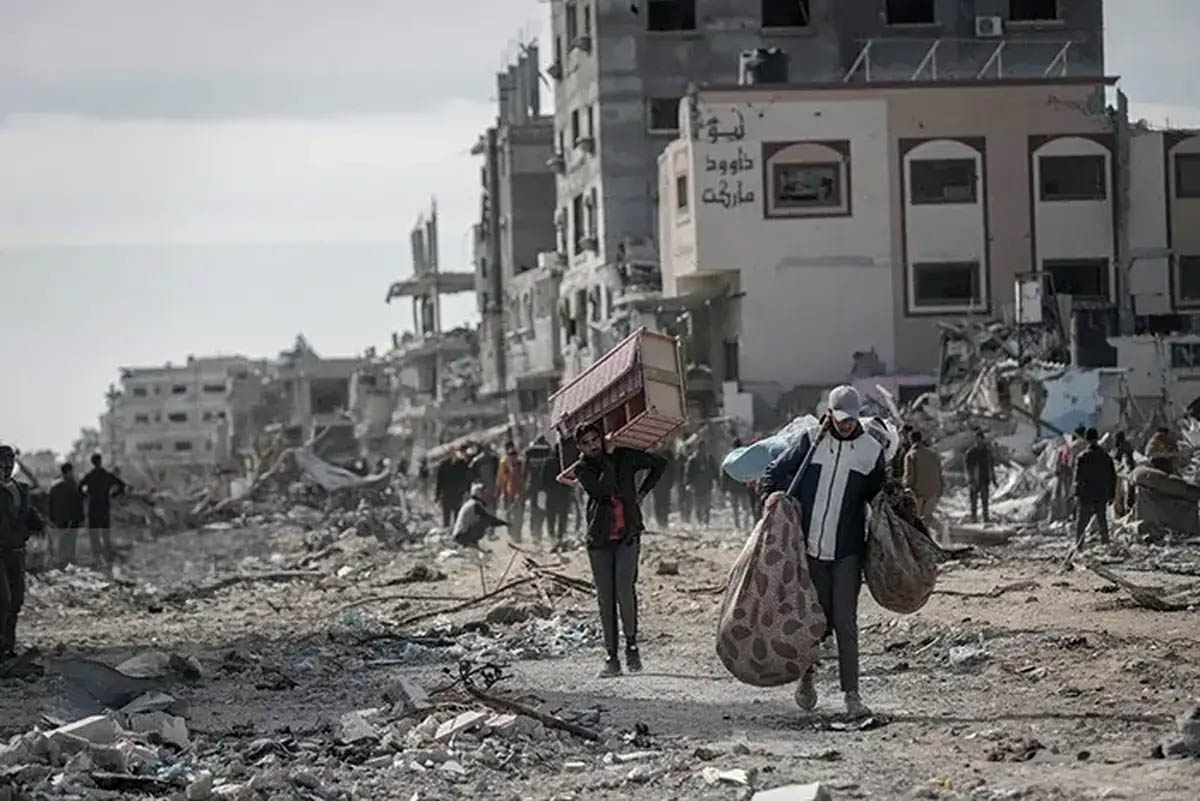
Israeli state terrorism is not an abstract concept. It manifests in concrete, repeated actions: targeted assassinations, indiscriminate bombardments of civilian areas, destruction of essential infrastructure, and the systematic use of siege and blockades to collectively punish entire populations. Whether it is the bombardment of Gaza, the targeted killing of Iranian scientists and military officials, or the repeated violations of Lebanese sovereignty, Israel has demonstrated a consistent
Before addressing, from the perspective of international law, the crimes of the Zionist regime and the possible solutions and legal remedies at the international level, it is important first to examine how this regime was formed and then consider the legal and international consequences that apply to it.
In the history of international law, the drafting of the 1945 UN Charter marked the beginning of what became known as the era of decolonization—an era shaped through the initiative of the
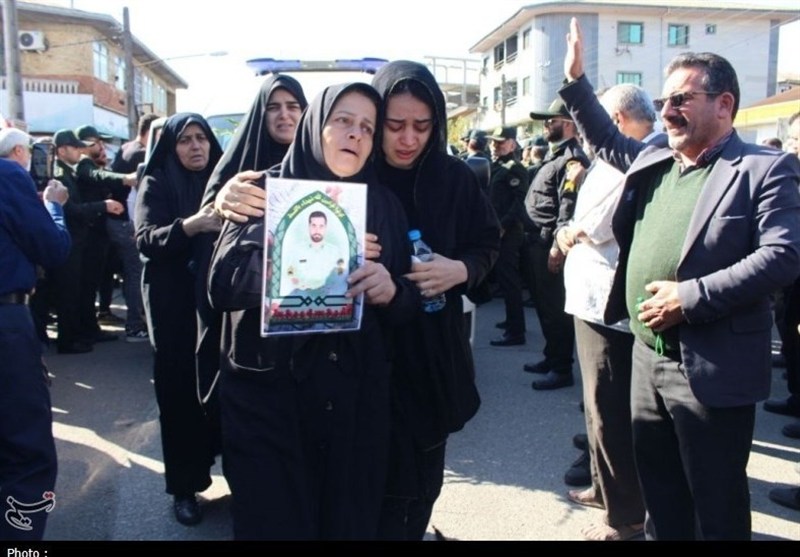
Less than a month after the announcement of a ceasefire in the Zionist regime's aggression against Iran, the separatist and terrorist group PJAK, which had been inactive in terrorist operations against Iran for about two years, has re-emerged by carrying out several operations in Iran's border regions, leading to the martyrdom of a number of Iranian border guards. The question that arises is: Why has PJAK, after a two-year lull, once again resorted to armed operations against Iran?
Following
On International Women’s Day, we pause to celebrate the indomitable spirit of women—their courage, their grace, and their boundless capacity to inspire. Yet, amid this celebration, we must also remember those whose voices were silenced too soon, whose lives were stolen by the cruel hand of terrorism. These are the daughters, mothers, and brides whose stories echo with resilience even in the face of unimaginable tragedy. Batool Safdari, Eshrat Eskandari, Mahnaz Sahranavard, and Yegane Ghasemi
The United Nations has designated February 12th as the International Day for the Prevention of Violent Extremism as and when conducive to Terrorism. UN Resolution 77/243 not only emphasizes the need for increased international cooperation and the participation of civil society but also highlights the crucial role of religious leaders in combating ideological distortions and violence.
In a world where divine religions are often targeted by extremist groups seeking to distort their teachings
Habilian Association, as a non-governmental organization in Iran, has been active since 2005, focusing on supporting victims of terrorism and exposing extremist and terrorist groups. By meticulously documenting the oral histories of victims, Habilian not only preserves their memory but also provides an educational tool to reveal the mechanisms of terrorism and the behaviors of extremist groups.
This association offers psychological and emotional support to victims of terrorism and their
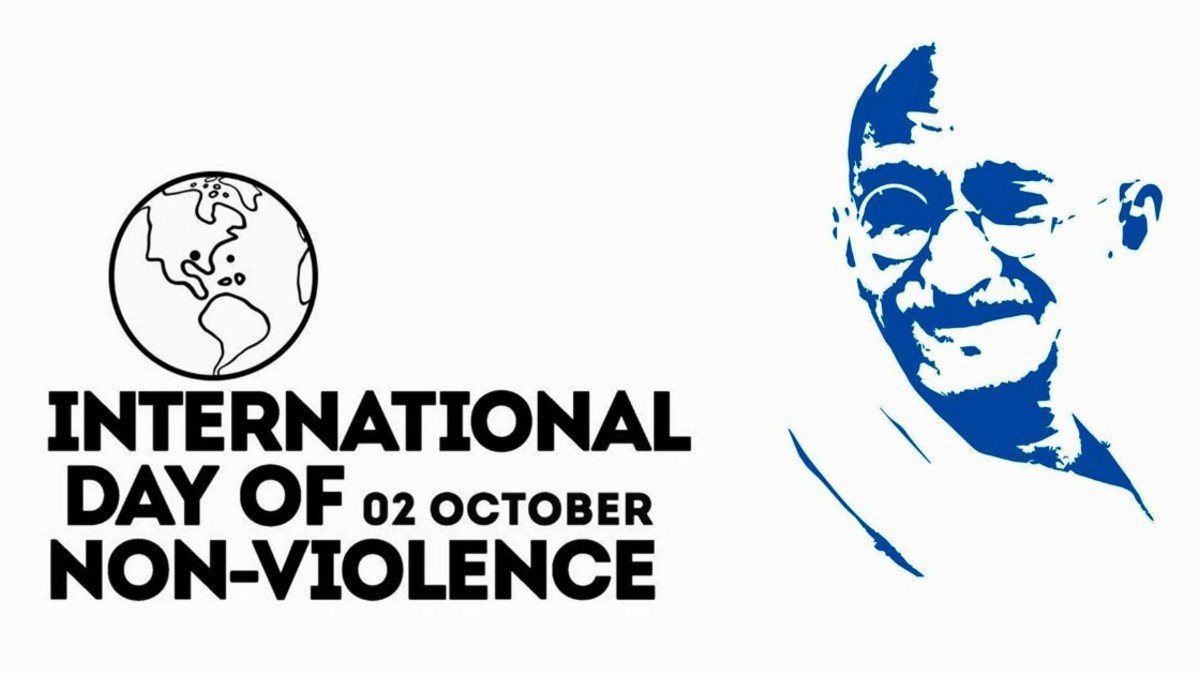
The International Day of Non-Violence, observed annually on October 2nd, commemorates the birth of Mahatma Gandhi, one of modern history's foremost champions of non-violent resistance. This day provides an opportunity for the international community to underscore the importance of preventing violence in all its forms, including verbal, physical, and psychological aggression. While the ideal of non-violence is often associated with fostering peace at individual and societal levels, one of the
 Following reports of the beginning of attacks by the United States of America and the Zionist regime against our beloved country, these events have been described with terms such as “war,” “war crime,” and “terrorist act.” This variety of descriptions raises the question of exactly which legal framework these actions fall into: Are we facing a war, examples of war crimes, or even terrorist actions? These titles are not merely verbal differences; each carries important implications in the domain