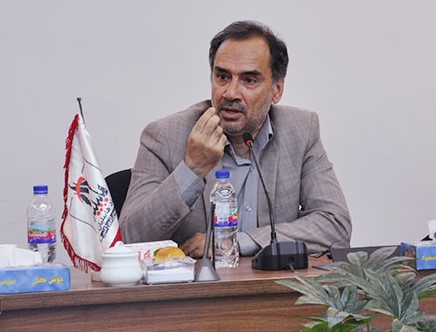
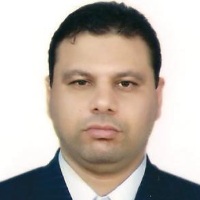
A lawyer of the Supreme Court of Pakistan, condemning the US and Israeli attacks on Iran, considered the targeting of religious sites and the killing of children as a sign of the perpetrators' disregard for human and religious principles, and emphasized the cooperation of Iranian and Pakistani jurists to defend the rights of victims and pursue the responsibility of the perpetrators.
According to a report by Habilian, citing the Mizan news agency, Ishtiaq Ahmad Samsialvi, a lawyer of the
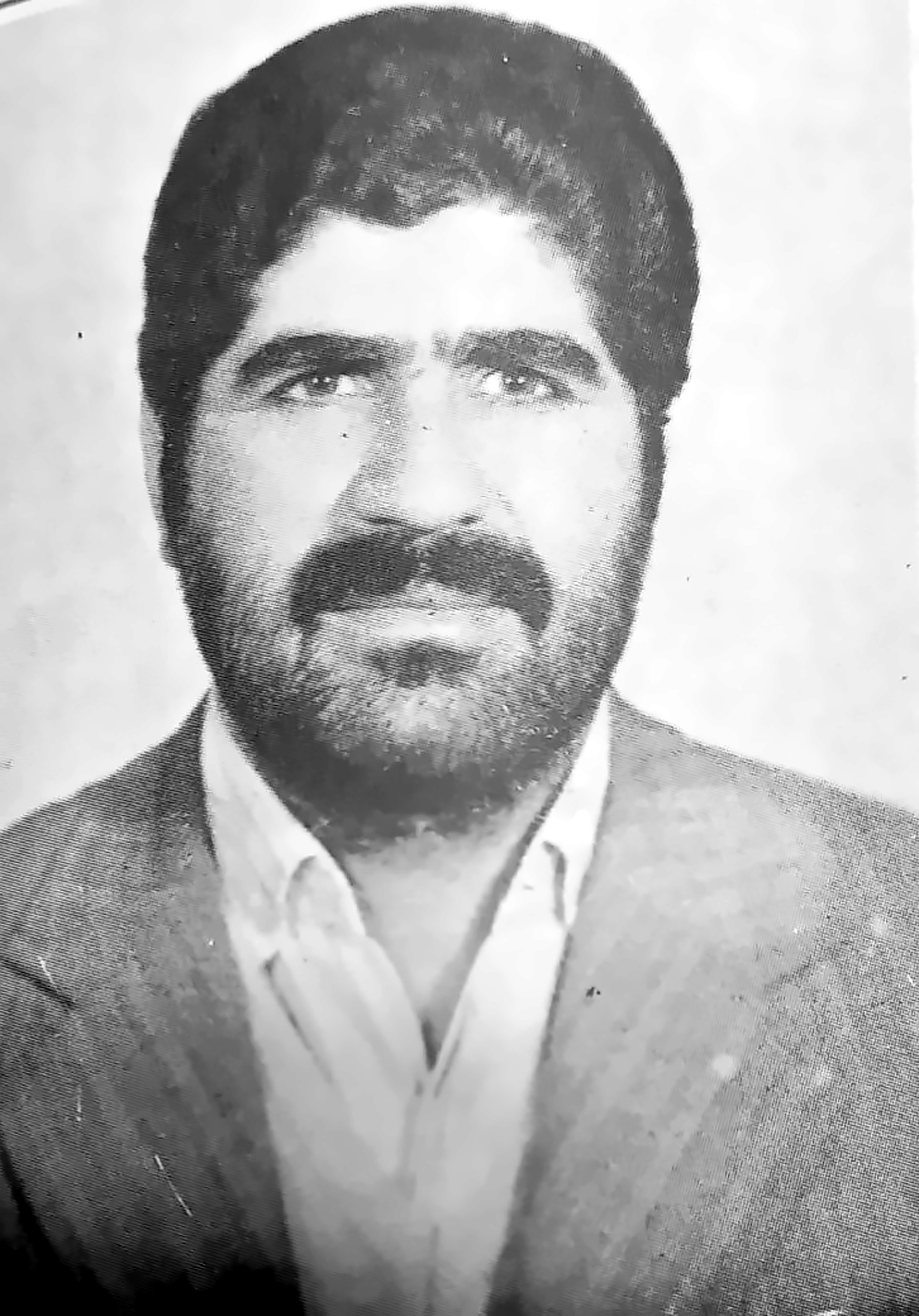
Hossein Hosseinian, a 19-year-old guard with the Central Committee of the Islamic Revolution, was killed on 6 April 1982 (17 Farvardin 1361) on Jomhuri-ye Eslami Street in Tehran, when gunmen of the Mujahedin-e Khalq Organization (MKO) attacked the car of the head of Tehran's Revolutionary Committees.
Hossein Hosseinian was born in 1963 (1342) to a humble, devout family. From childhood he loved Imam Hussein (AS) and volunteered at mourning gatherings. Despite poverty he finished primary
Martyr Afsaneh Aqila was the commander of the Basij Sisters' domain of Martyr Afzal in Mehrestan, Sistan and Baluchestan, who was martyred on October 14, 2026, after more than 15 years of continuous cultural and religious activity, following a terrorist attack in front of her home.
Martyr Afsaneh Aqila
Martyr Afsaneh Aqila was the commander and head of the Basij Sisters' domain in Mehrestan, a city in the south of Sistan and Baluchestan province. She was about 32 years old and was martyred on
The concept of "Martyr of Mehrab" in the history of the Islamic Revolution is spiritually and profoundly tied to the martyrdom of Imam Ali (AS), the first Martyr of the Altar in Islam, who sacrificed his pure soul in the way of monotheism, the implementation of justice, and the defense of the oppressed while prostrating in worship. With the victory of the Islamic Revolution, mosques and the politico-religious ritual of Friday prayers became strongholds for defending the ideals of the movement
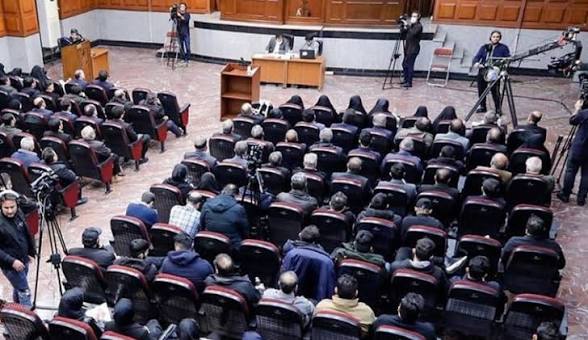
The 56th session of the trial of 104 members of the MEK (MKO) and the nature of the organization as a legal entity was held in Branch 11 of the Criminal Court One of Tehran Province, presided over by Judge Hojjat al-Islam wal-Muslimin Amir Reza Dehghani, with the presence of the prosecutor's representative, families of martyrs, their lawyers, and the defendants' lawyers at the Imam Khomeini Judicial Complex.
The judge emphasized the court's commitment to fair trial principles, stating that the
Following the escalation of activities by terrorist groups in the southeast of the country, the families of the nation's terror martyrs sent an open letter to the Pakistani government demanding the necessity of serious and decisive action against these terrorist groups. The full text of the letter is as follows:
The Government of the Islamic Republic of Pakistan
Greetings,
We, the families of the victims and martyrs of terror in Iran, express our deep concern regarding the recent terrorist
Mohammad Torabi Azar, a 28-year-old goldsmith and father of four, was killed on 3 April 1982 (14 Farvardin 1361) in his shop on 21 Metri Jey Street in Tehran by gunmen of the Monafeqin group (MKO).
Mohammad Torabi Azar was born in 1954 (1333) in Hamedan to a devout rural family. His parents had little in the way of worldly wealth but were rich in faith, and raised their son in the remembrance of God. Working from his teens, he later moved to Tehran, where years of steady effort allowed him to
The spokesperson of Faraja announced the martyrdom of Nosrat Eftekhari, Deputy of Cultural and Social Affairs of the Sistan and Baluchestan Police Command, following a terrorist act on the Cheshmeh Ziarat axis in Zahedan, and stated that the main perpetrator of the bombing was killed while fleeing. The terrorist group Jaish al-Zulm claimed responsibility for this terrorist incident.
The Deputy of Cultural and Social Affairs and Police Spokesperson announced: Following a terrorist and cowardly
A Mother’s Words for Nastaran
Nastaran, my life, my soul, my child. Winter hasn’t even settled in yet, but here in your city, spring has already come. Chabahar, a city that is itself four springs, what good are its springs now that you’re gone?
The air is filled with the fragrance of jasmine. The scent of life flows everywhere. Do you remember those tall acacia trees? They have turned the most heavenly shade of green. But amidst all this splendor of creation, your footsteps can no longer be
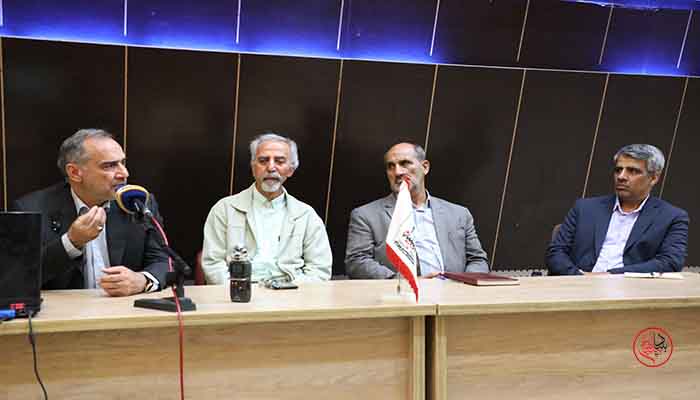
The eight-year Iran-Iraq War was fought not only at the border, speakers at a Habilian media forum said, but also against groups acting within Iran. Held during Sacred Defense Week at the Qods Cultural and Arts Center, the forum examined “The Role of Terrorist Groups in Three Wars Imposed on Iran.” Researchers and specialists discussed alleged fifth-column activity, the MEK and separatist groups, and gaps in how the victims of terrorism have been remembered. The organizers said the event sought
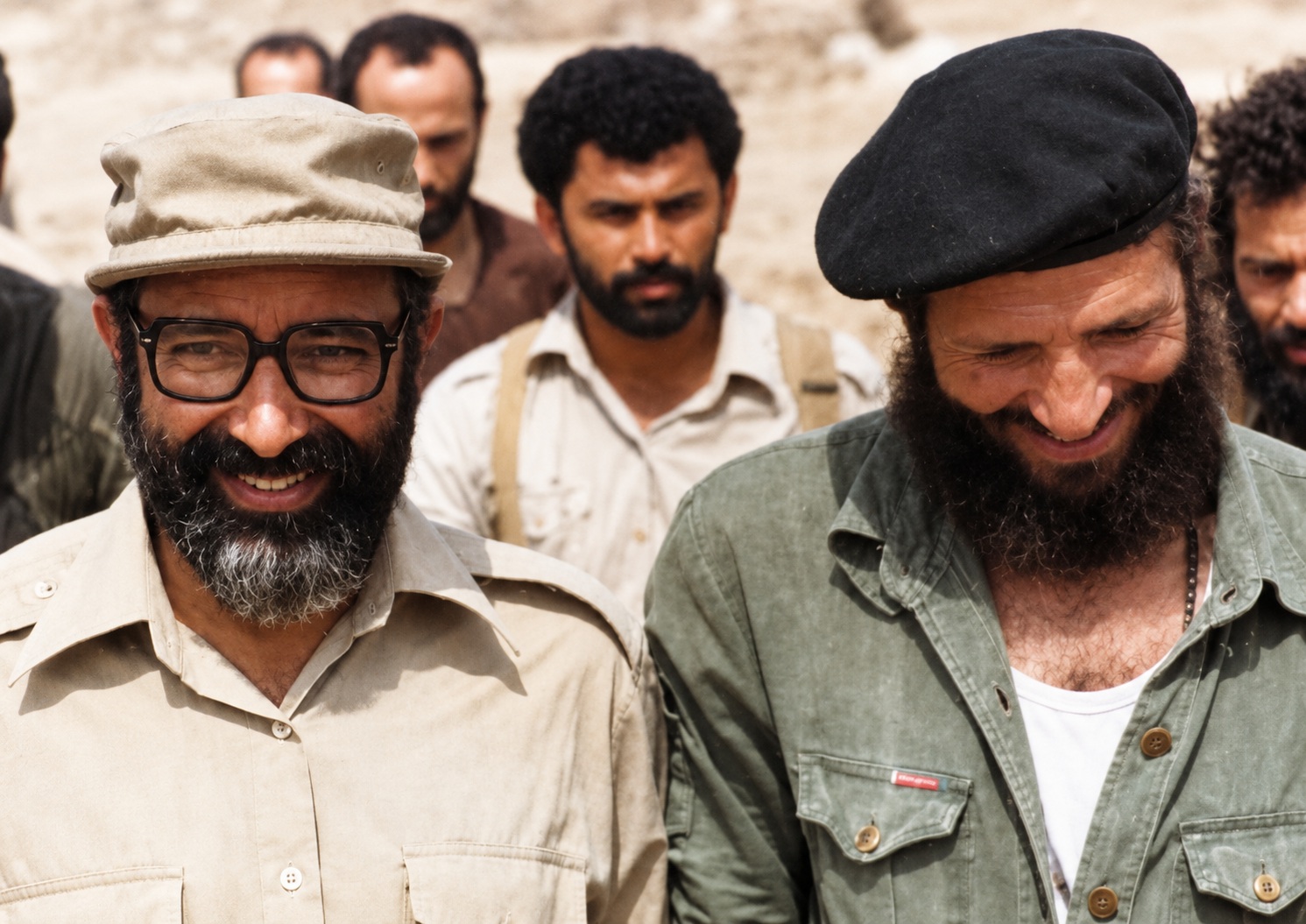
In May 1985, Seyed Mojtaba Hashemi returned to Tehran to attend to matters behind the front. While fasting for Ramadan, he was shot dead by members of the People's Mojahedin Organization of Iran (MEK) in his clothing shop on Tehran's Vahdat-e Eslami Street.
Hashemi had served in the army's Green Beret special forces. Before the Islamic Revolution, he left the Shah's army and joined the opposition to the monarchy. After the revolution and Ayatollah Khomeini's return to Iran, he joined the
The 55th hearing in the case against members of the People's Mojahedin Organization of Iran, or MEK, and the organization as a legal entity was held on Tuesday, September 22, 2026, before Branch 11 of Tehran Province Criminal Court One. Judge Amirreza Dehghani presided, with associate judges, a prosecutor's representative, lawyers for the complainants and defendants, families of terrorism victims, and other attendees present.
Opening the hearing, Dehghani called it a major terrorism case
The MEK carried out terrorist acts in the first days after Iran's 1979 revolution, helping prepare the ground for Baathist Iraq's invasion, according to this account. It then became complicit in Saddam Hussein's crimes against Iran and its people.
Iraq invaded Iran on September 22, 1980, expecting to seize parts of the country. The article says the MEK played a treacherous role at the outset and throughout the eight-year war. Cooperation extended to meetings between MEK leader Massoud Rajavi
The judge presiding over the trial of members of the People's Mojahedin Organization of Iran (MEK) says the alleged role of hostile states in supporting terrorist groups remains under judicial examination.
Speaking to Habilian on the sidelines of the 55th hearing, Judge Amirreza Dehghani discussed the legal dimensions of alleged state support for terrorist groups and its connection to new court cases. Branch 55 had held its first hearing the previous week on crimes alleged to have occurred
Exclusive commentary: The United States' latest departure from the UN Human Rights Council should not be considered a decisive event or a major loss to the global human rights system, the author argues. Washington announced its withdrawal after international reporting on attacks on civilian targets, including a UN fact-finding mission's report concerning the Shajareh Tayyebeh school in Minab. He regards the move as part of a recurring pattern of avoiding international accountability. Washington
War is among humanity's oldest social institutions. Despite efforts to achieve peace, people have never fully escaped it. Yet warfare has changed with society, technology, and ways of thinking. Today's shift involves more than new weapons: the structure and logic of war themselves are changing.
War must be understood beyond the battlefield. Its structure includes personnel and equipment, but also education, laws, policy, doctrine, the economy, ideology, social capital, and collective
Identity today is neither fixed nor settled in advance. Young people continually build and redefine who they are, and encounter others' approval or rejection. Social media has accelerated this process. It is a principal place where people narrate and present themselves, then measure the response. Digital space is part of the environment in which a new generation forms its identity, not just a channel of communication.
Adolescents and young adults want to be seen, recognized, included, and able
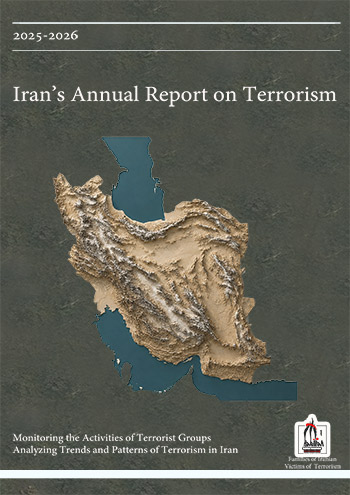
Iran has published its annual terrorism report for the year 2025, documenting attacks by terrorist groups and state actors against the country and its citizens — both inside its borders and overseas. The report is now available to the public, experts, and policymakers.
The Habilian Association announced that the findings were unveiled last week at a ceremony hosted by the Ministry of Foreign Affairs' Center for Political and International Studies. The event was jointly organized by the
How can someone who professes a religion founded on mercy justify killing another person in the name of that faith? Before examining violent behavior, we may need to reconsider our picture of religion itself. Mercy is among Islam's most fundamental ideas, linking a person's relationship with God, the Prophet, the Quran, and other people. The Quran opens with “In the name of God, the Most Compassionate, the Most Merciful,” and repeatedly invokes these attributes. Mercy is not merely one moral
August 22 is presented in the original commentary as coinciding with the International Day of Remembrance of and Tribute to the Victims of Terrorism, an observance recognized by the United Nations so that the international community can express solidarity with the victims of this destructive phenomenon. The question, however, is whether such solidarity remains confined to slogans or leads to practical action to uphold the rights of actual victims of terrorism.
Iran: A Victim of Terrorism and a
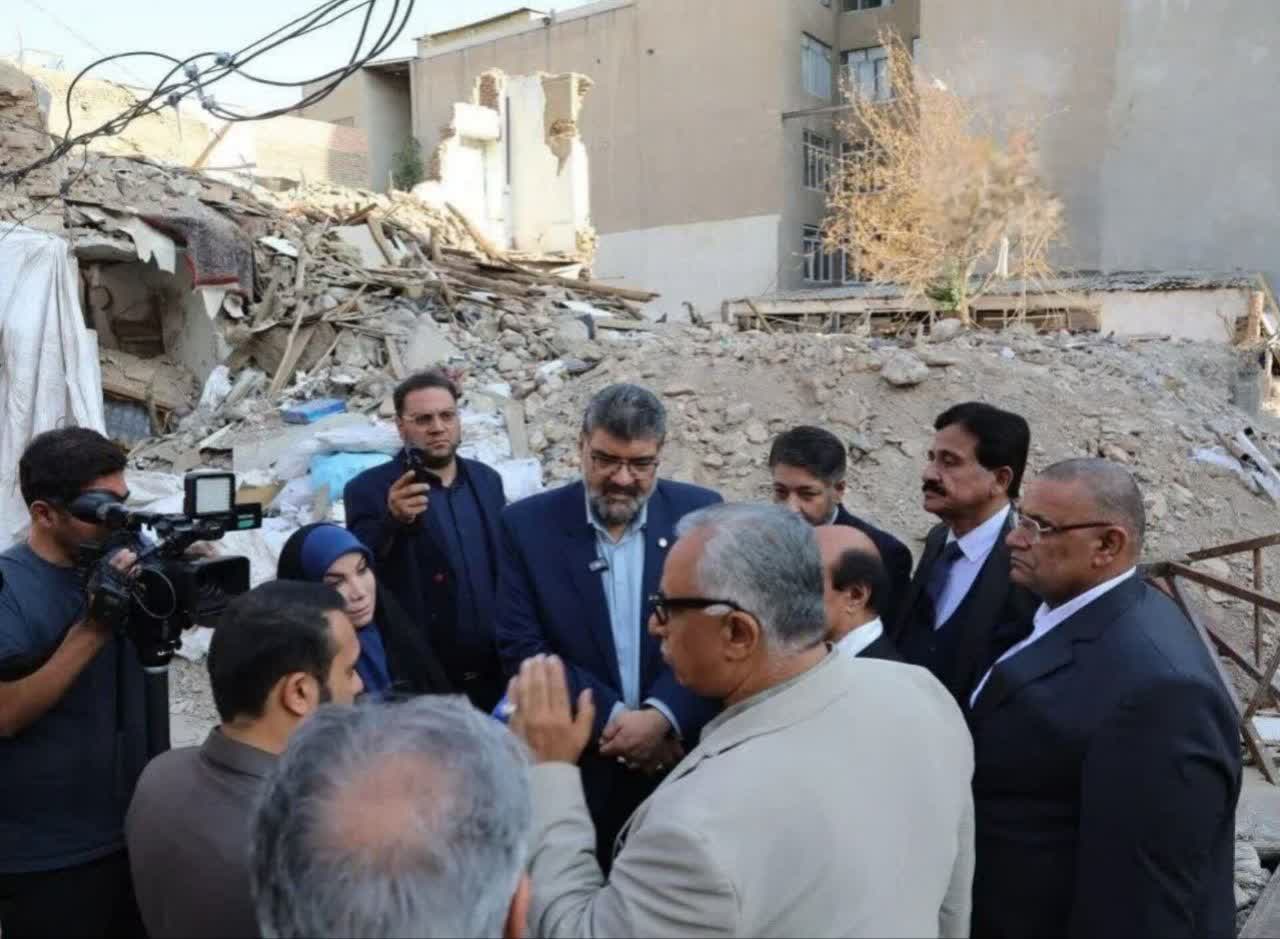 A lawyer of the Supreme Court of Pakistan, condemning the US and Israeli attacks on Iran, considered the targeting of religious sites and the killing of children as a sign of the perpetrators' disregard for human and religious principles, and emphasized the cooperation of Iranian and Pakistani jurists to defend the rights of victims and pursue the responsibility of the perpetrators.
According to a report by Habilian, citing the Mizan news agency, Ishtiaq Ahmad Samsialvi, a lawyer of the