 From the dawn of the 1979 Islamic Revolution, Iran has been a target for various armed terrorist groups, resulting in the martyrdom of 23,000 of its citizens. Among them, an estimated 500 were children under the age of 12—a number that rises to nearly 2,000 if we consider anyone under 18 a child.
By any measure, this is a profoundly painful and significant number. The loss of so many young lives is a tragedy that defies any logical justification.
Of course, we must honor all children worldwide who have been victims of war and terrorism, from the over 18,000 in Gaza and more than 300 in Lebanon killed by the Israeli regime's excessive violence in the past two years, to the thousands more in Iraq, Syria, Yemen, and Sudan.
Throughout the 1980s and into the 1990s, most terrorist attacks in Iran were characterized by their indiscriminate nature in public spaces: bombings in crowded areas, armed operations in city streets, and attacks on gatherings.
Because these attacks targeted public venues, children were often direct casualties. However, the violence was not always random. In targeted operations, groups like the Democratic Party of Iranian Kurdistan and the Mujahedin-e-Khalq (MEK) reportedly attacked private homes, executing every occupant to eliminate their target.
The brutality of these acts is starkly illustrated by individual stories:
• Behrang Darvish, a two-year-old, was killed in 1983 after MEK and Democratic Party militants gunned down his mother and grandfather in their home.
• Mohammad, Mahmoud, and Ahmad Fathollahzadeh, three brothers aged 11 to 14, were shot dead alongside their father in their village home by the Democratic Party in 1981.
• Leyla and Zahra Noorbakhsh, aged two and three, were on a city bus in 1981 when the MEK set it on fire. One sister died in the flames; the other suffered severe burns and lives with the physical and psychological scars to this day.
• Masha and Alireza Arjamand, brothers aged seven and ten, were killed alongside their parents in a 1986 indiscriminate bombing in Tehran's Ferdowsi Square while on a pilgrimage to Mashhad. The blast claimed 20 lives.
The MEK's incursion into the city of Eslamabad-e-Gharb in 1988 led to a panicked exodus. One family's fleeing car was sprayed with gunfire, massacring four children between the ages of three and 14.
Some children were targeted for their identity. Zeynab Kamaei, a 14-year-old girl, was abducted and martyred in 1982 by the MEK, reportedly for her religious appearance and spirit.
In subsequent decades, as Takfiri and ethno-separatist groups emerged, children remained primary victims.
In 2008, Erfan and Alireza Entezami, aged five and 11, were killed alongside their father in a Shiraz bombing by the group "Tondar."
During a 2010 suicide bombing by Jundullah in Chabahar, victims included Sana Pordel, a two-month-old infant with her mother, and Nastaran Khosravi, an eight-year-old student. The 2018 attack on a military parade in Ahvaz claimed the lives of several children and their families.
The January 2023 double suicide bombing in Kerman—the deadliest terrorist attack since the revolution—was also one of the most devastating for children. Over 30 children and adolescents, many of them students, lost their lives. One family alone lost five children, all under the age of 10.
Beyond those killed, hundreds of children have been left with life-altering injuries. Reza and Mohammad Beit Salem, aged three and seven in 1999, were left permanently disabled when an MEK mortar struck them and their parents riding a motorcycle in Ahvaz.
The psychological wounds run even deeper. Children who witness horrific violence or lose family members suffer severe psychological trauma that can affect their emotional structure and sense of security for months, even years.
The terrorist threat has also come from state actors. During the Israeli regime's aerial aggression against Iran in June 2025, at least 50 children were killed, either alone or alongside their families. These acts are clear examples of state terrorism, representing a blatant violation of human rights and constituting war crimes.
For over four decades, terrorism and war have claimed the lives of hundreds of Iranian children, maimed hundreds more, and left thousands with psychological and economic scars from the loss of family members—trauma that can be passed to the next generation.
The anti-human nature of terrorist groups also victimizes children within their own ranks. Iranian Kurdish groups have been heavily implicated in the abduction, recruitment, and use of child soldiers. The fates of many of these children remain unknown to their worried families.
Conversely, cult-like groups such as the MEK have systematically separated children from their parents. From the late 1980s onward, hundreds of children were taken from their MEK-member parents in Iraq and sent to Europe—some given to other families, others forced onto the streets to collect donations. Upon reaching adulthood, many were returned to the MEK's military camps in Iraq to be exploited as new recruits.
Despite their immense suffering, Iranian children victimized by terrorism have also been victims of the near-total neglect by international institutions. Their stories and their rightful claims have been largely overlooked by international reporters, a failure that suggests a politicization of victimhood. The scale of child casualties in Iran, which is rare in the world, places a serious and weighty moral responsibility upon international bodies, particularly the United Nations and its subsidiaries like the Human Rights Council, to finally acknowledge their plight.
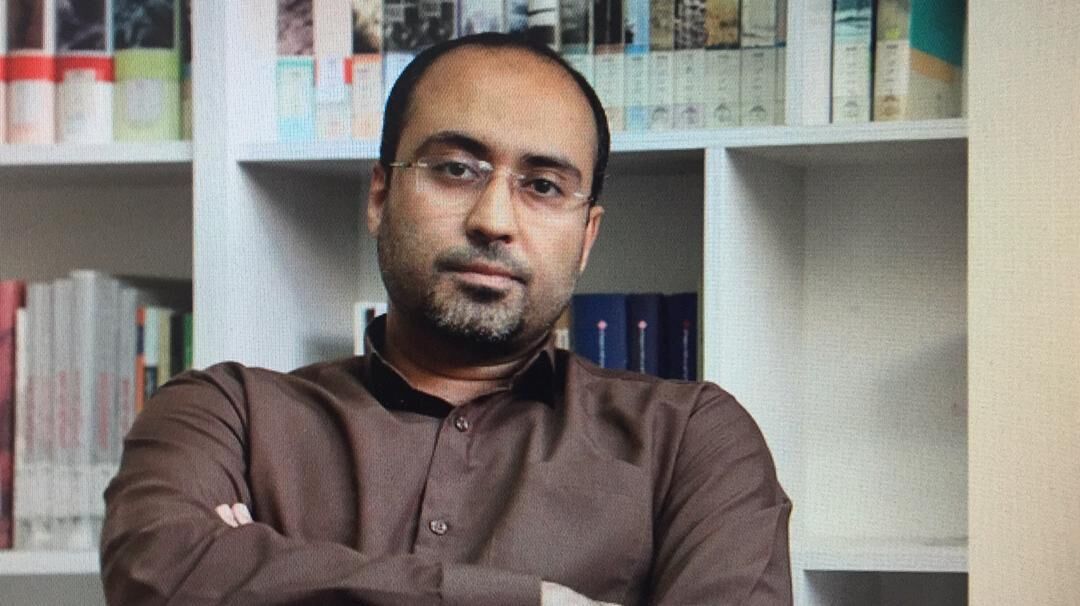
Seyed Reza Ghazvini (Terrorism Researcher and West Asian Affairs Analyst)
This article was presented at the conference on “Children; Victims of Violence in Wars and Terrorist Incidents” held on the occasion of the World Children’s Day, organized by Habilian Association (Iranian Families of Terrorism Victims).